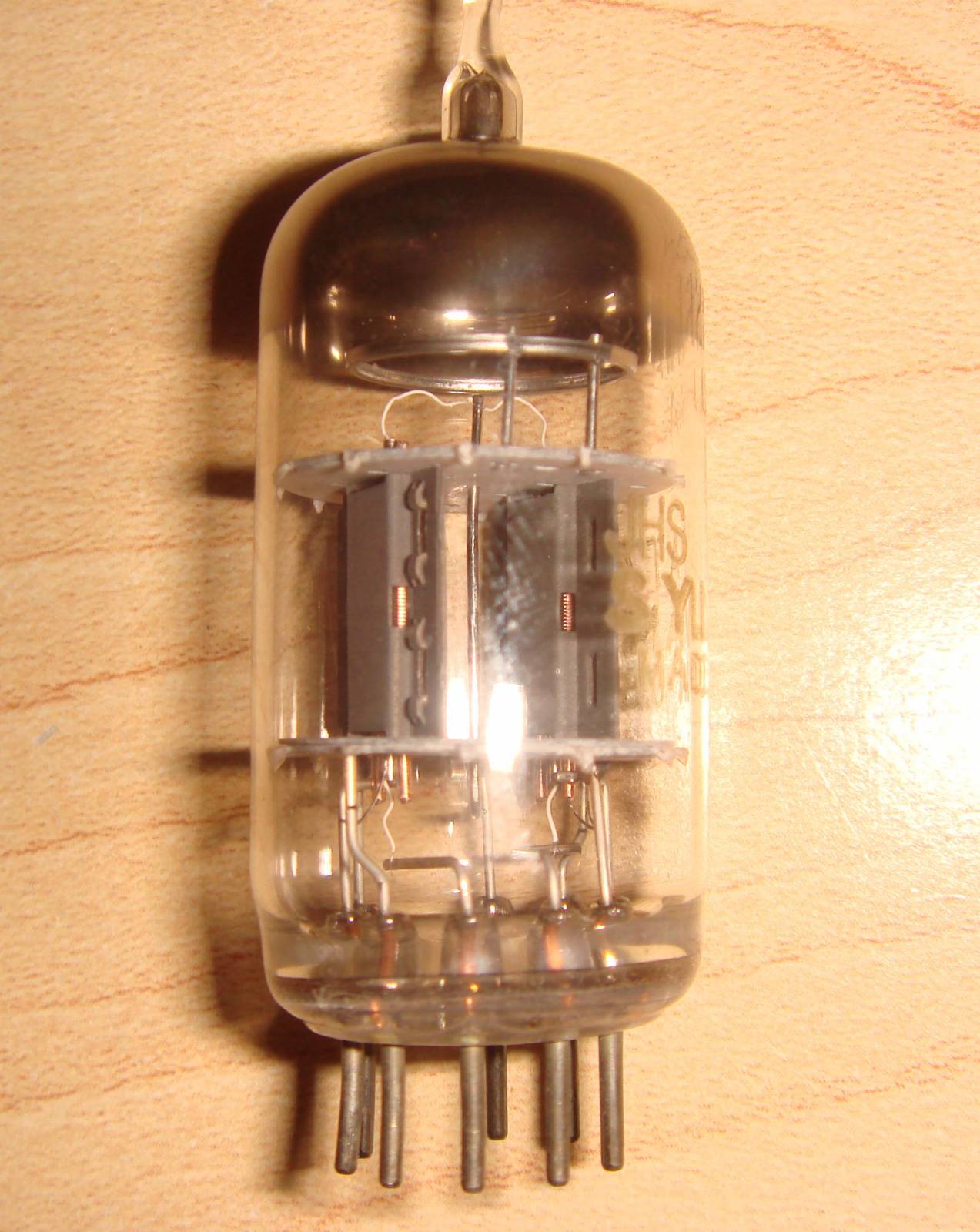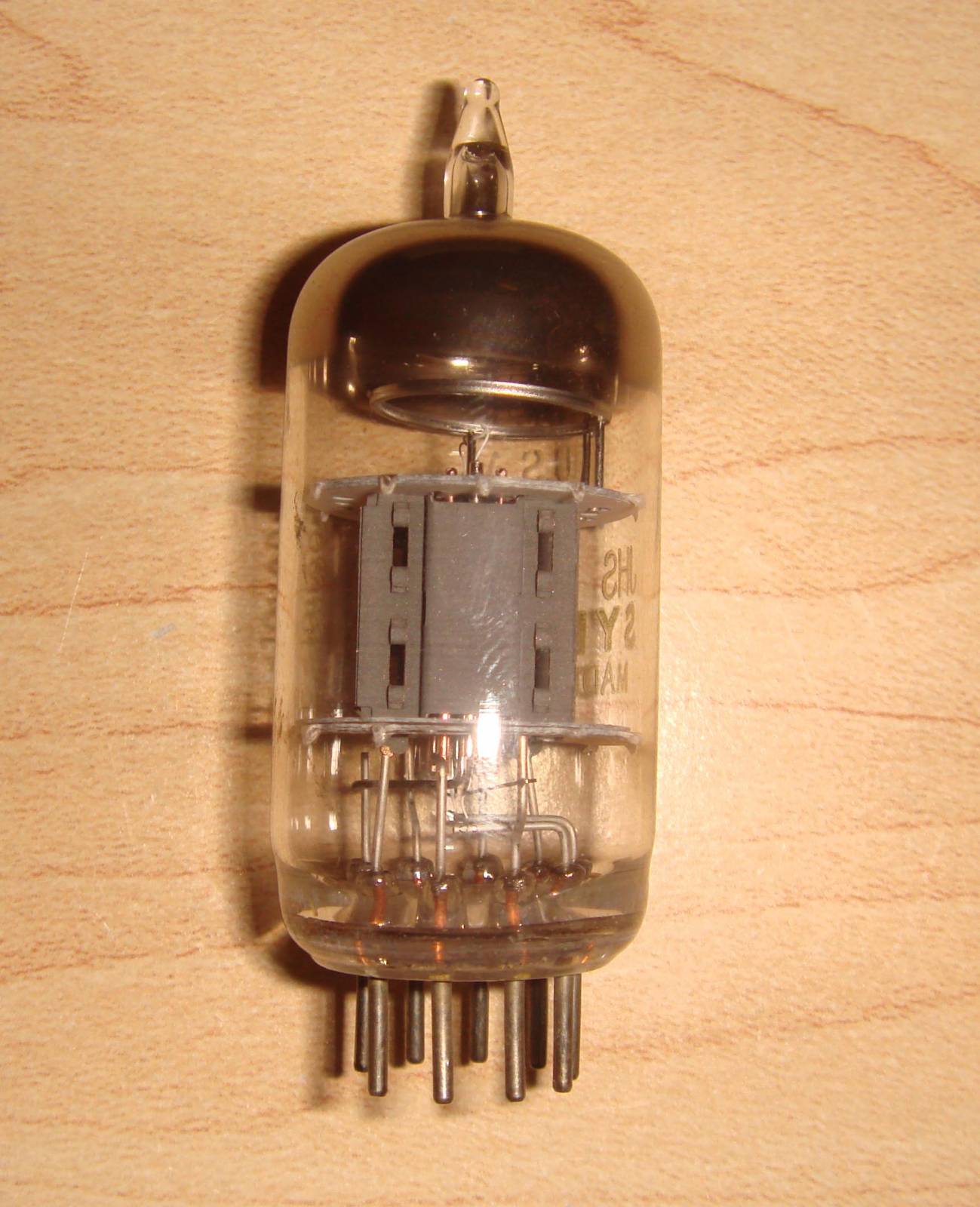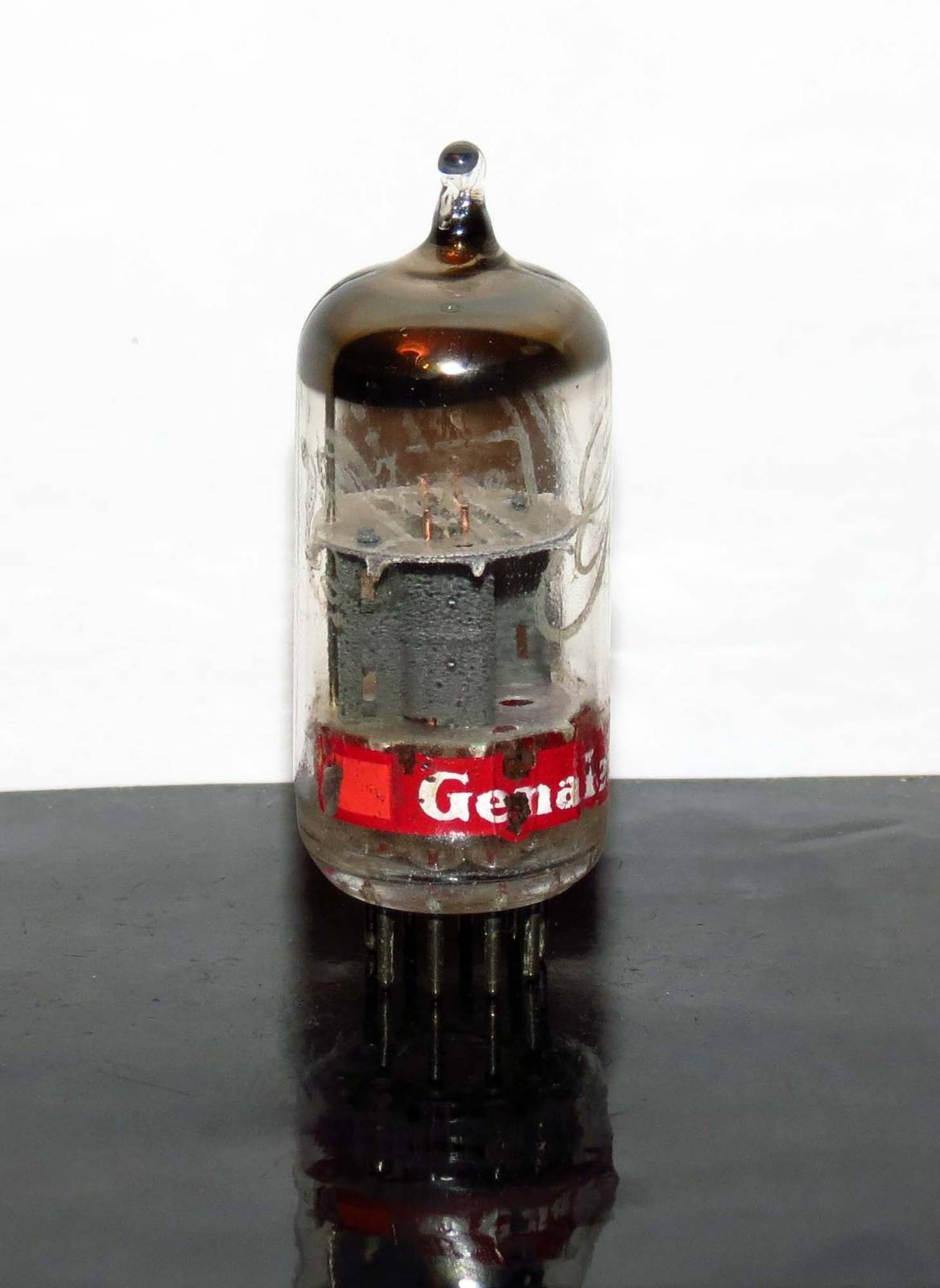


 (25 votes, average: 3.64 out of 5)
 Loading...
No reviews found on the web. Read our reviews.

(25 votes, average: 3.64 out of 5)Loading...No reviews found on the web. Read our reviews.
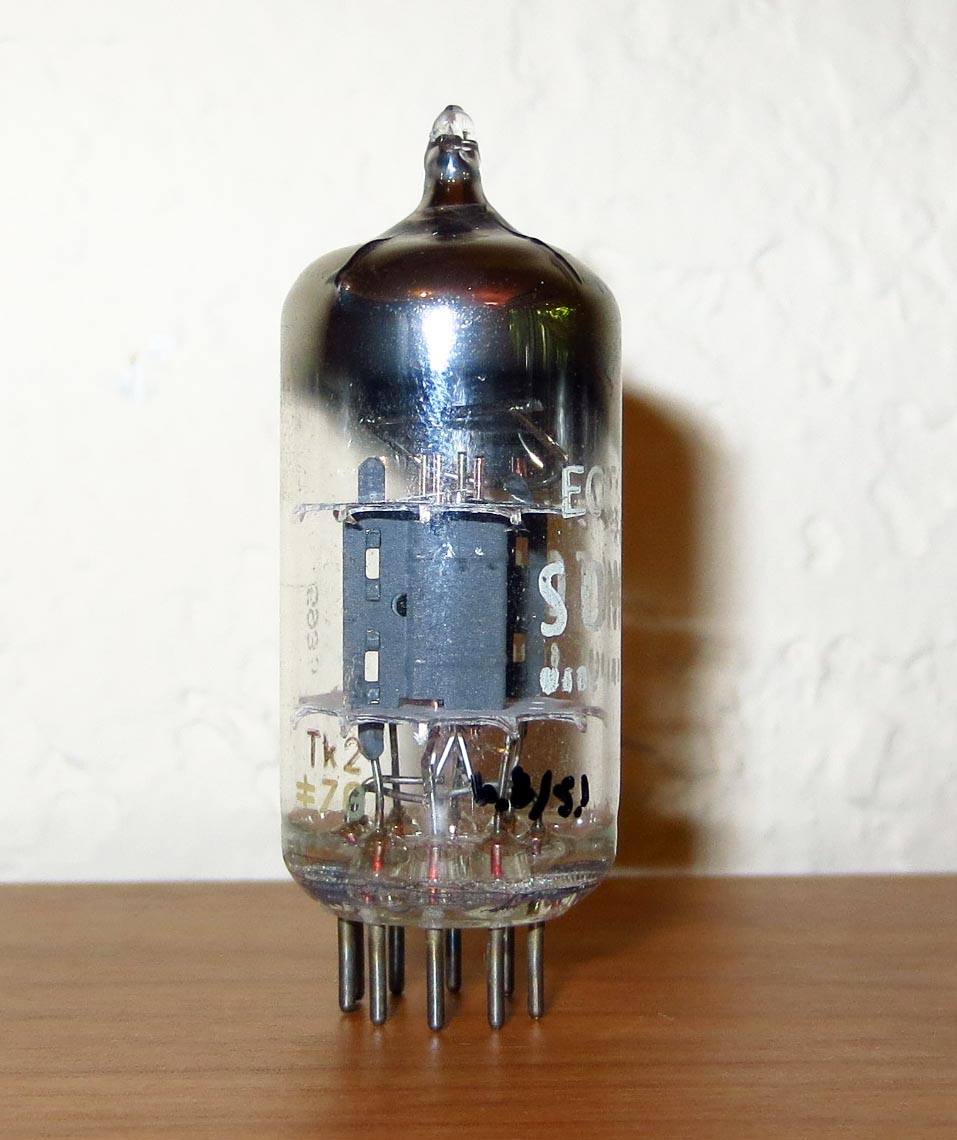
(6 votes, average: 3.83 out of 5)Loading...No reviews found on the web. Read our reviews.
(8 votes, average: 3.63 out of 5)Loading...No reviews found on the web. Read our reviews.
(38 votes, average: 4.26 out of 5)Loading...No reviews found on the web. Read our reviews.
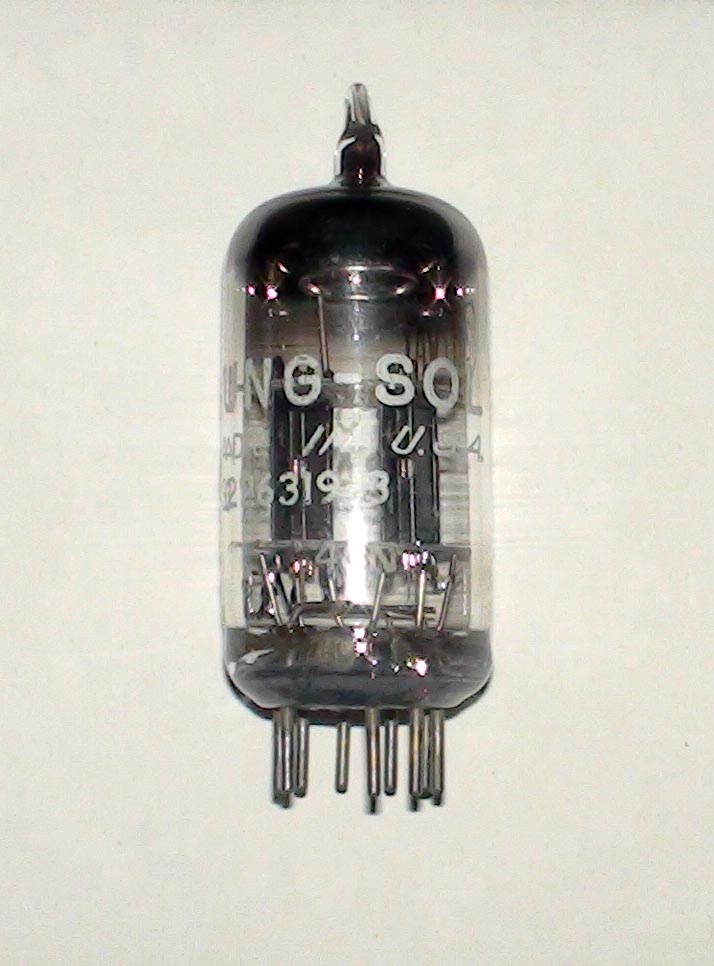
(4 votes, average: 4.00 out of 5)Loading...“12AT7 Tungsol sound superb, especially the 1950’s black plate; very clear, great upper midrange presence, extended highs, wide soundstage”
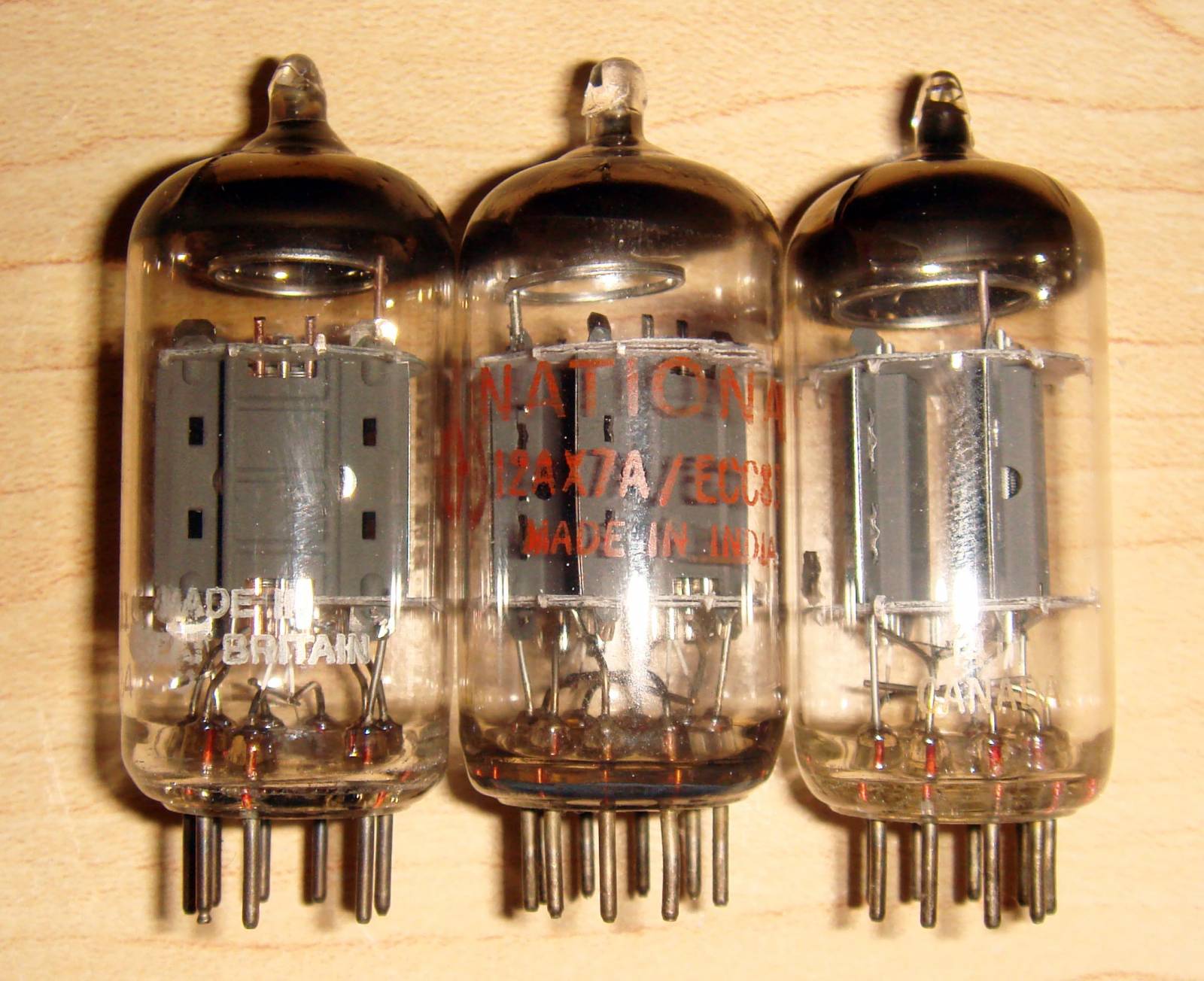
It is a common myth in the audiophile world that tubes manufactured on the same tooling will sound identical regardless of where they were pressed. After experimenting with EI 12ax7s built on Telefunken equipment—which proved to be a far cry from the originals—I decided to put Mullard’s 12ax7 global production to the test.
Despite being overseen by Mullard’s quality control and utilizing shared technology, the sonic profiles of these tubes from the UK, Canada, and India vary significantly. Here is the breakdown of how they stack up.
Navigating “The Land of Tubes” requires a keen eye. To ensure you’re getting the specific tone you’re paying for, look for these physical tell-tales:
| Feature | UK (Blackburn/Mitcham) | Canada | India |
| Date Code | Starts with “B” (Blackburn) or “R” (Mitcham/CV4004). | Marked with a small “r”. | Often lacks the specific “B” or “R” prefix. |
| Top Seams | Only 2 seams on the glass top. | 3 or 4 seams, but often faint. | 4 very visible seams. |
| Mica | Missing a “tooth” between the plates. | Has a visible “tooth.” | Has a visible “tooth.” |
| Plate Holes | Holes in the front parts only. | Holes in the front parts only. | Holes in the back parts of the plates. |
| Grid Posts | Often use copper (in earlier/premium runs). | Generally metal; rarely copper. | Generally metal; rarely copper. |
Pro Tip: When hunting for Mitcham-made tubes (marked with a capital R), grab them immediately. These are often the ruggedized military-grade CV4004 variants.
While the UK-made Mullards remain the undisputed champions of depth and “cream,” the Canadian variants are a high-quality alternative for those seeking a bit more sparkle. The Indian production, while functional, is the weakest link, offering a thinner and overly bright profile that misses the mark on classic Mullard detail.
Recommendation: Don’t rely on the label alone. Use a combination of the date code, plate holes, and top seams to verify the tube’s origin before you buy.
(11 votes, average: 4.36 out of 5)Loading...
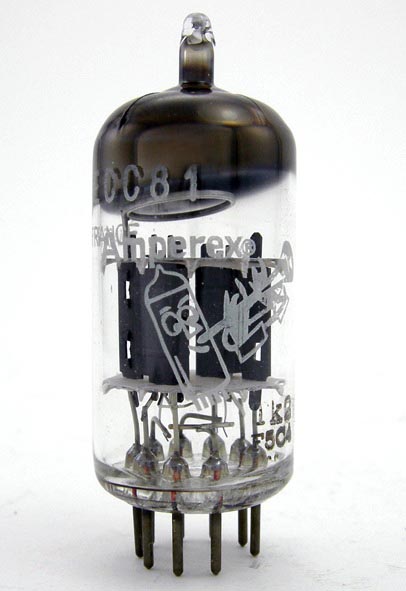
“superb lively sounding 12AT7, Bugle Boys have a magical sounding upper midrange”
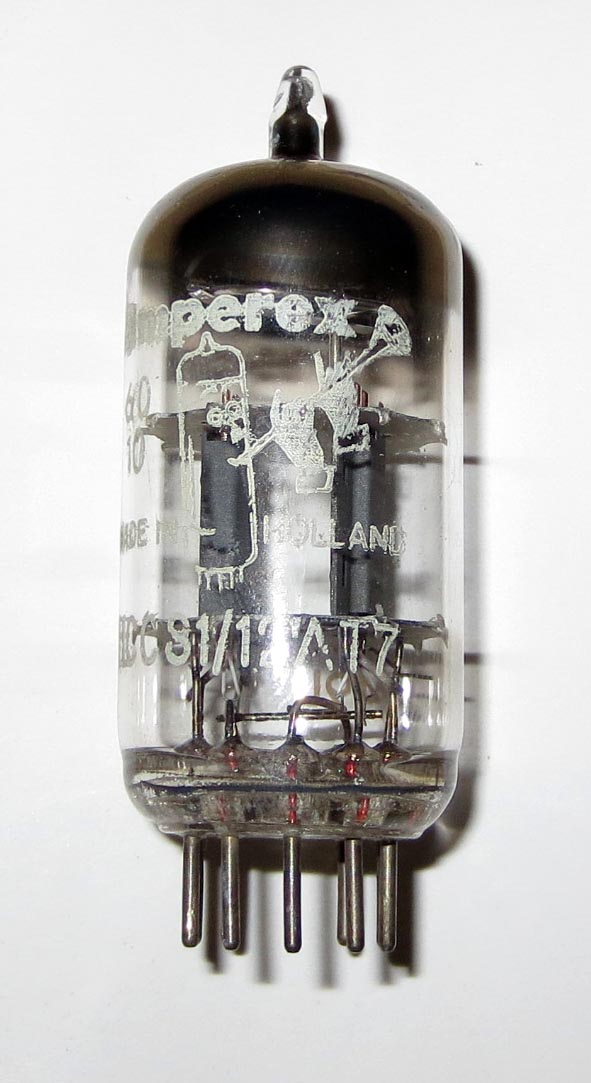
“Those French made 12AT7 Amperexes are supposed to be some of the best sounding AT7s made” Read
(30 votes, average: 3.97 out of 5)Loading...
No reviews available on the web. See our reviews.
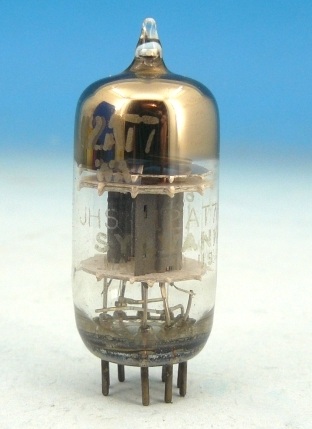
I recently went through testing of a lot of different 12at7. Here is what I found out.
If the tube is used in the circuit it’s designed for, there is very little sonic difference between various tubes in this family. The difference is possibly 1%. I tried NOS Telefunken and ShuGuang with practically the same results. I also tried them in multiple amps with the same results.