The following Special Quality types are recommended as plug-in replacements for the corresponding commercial types. Substitution in the reverse direction is not recommended.
Continue readingBrimar Special Type Tubes
2

The following Special Quality types are recommended as plug-in replacements for the corresponding commercial types. Substitution in the reverse direction is not recommended.
Continue reading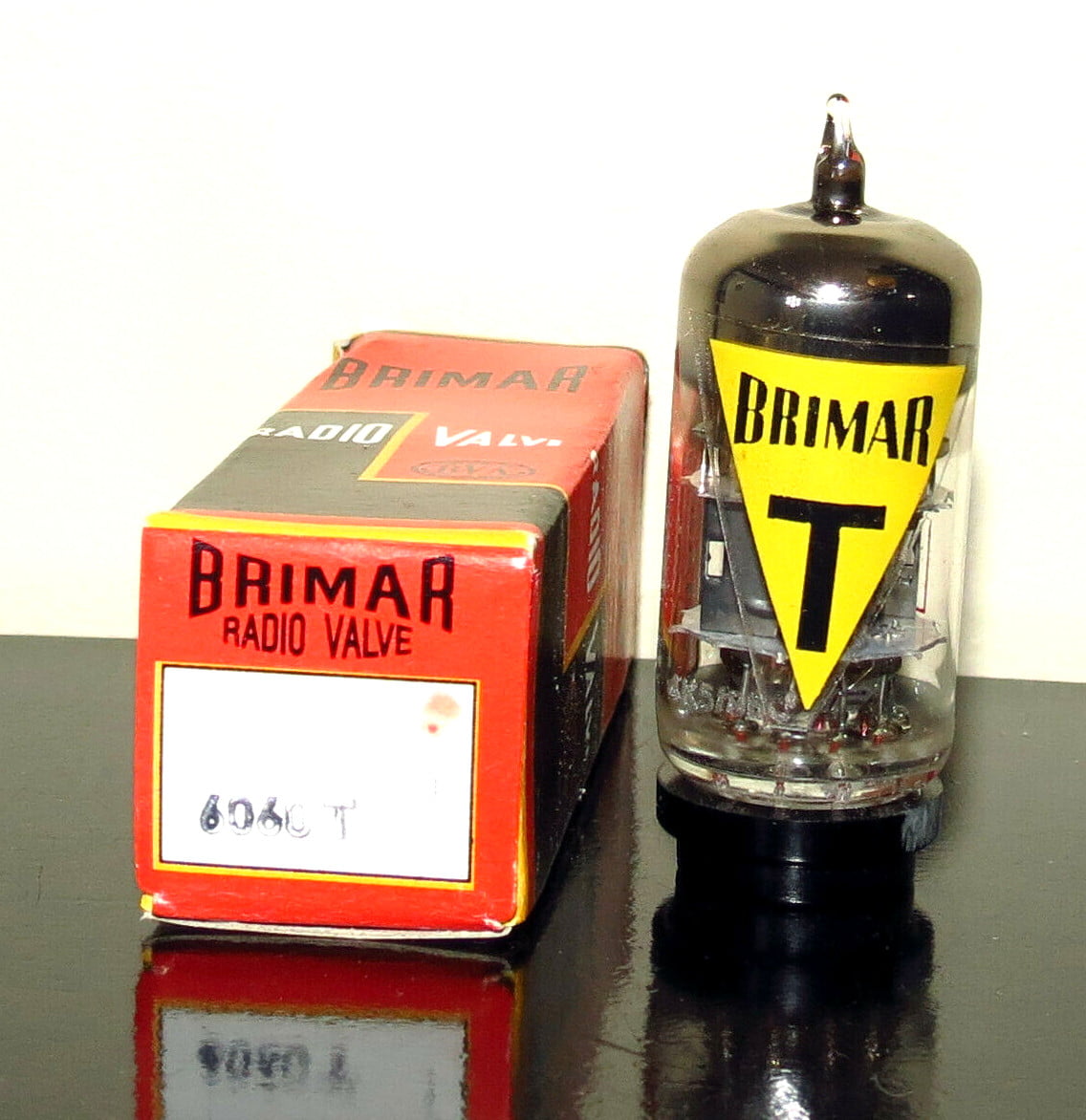
Brimar (BRItish Made American Range) was a part of Standard Telephones and Cables Ltd (STC) and was founded in London as International Western Electric in 1883. From 1925 to mid 1980s the company was owned by ITT of the USA.
There is very little information available on how to read Brimar tube codes, but in general, they are one of the easiest to decipher.
The code consists of multiple sections and usually look like:
4G9/980 (4th week of production in July of 1959, tube type 6060)
BTW, if Brimar labeled tube doesn’t have the date code or it has foreign stamped on the tube, it’s not produced by Brimar, but by some other manufacturer. Many Brimar labeled tubes are actually Soviet made.
Continue reading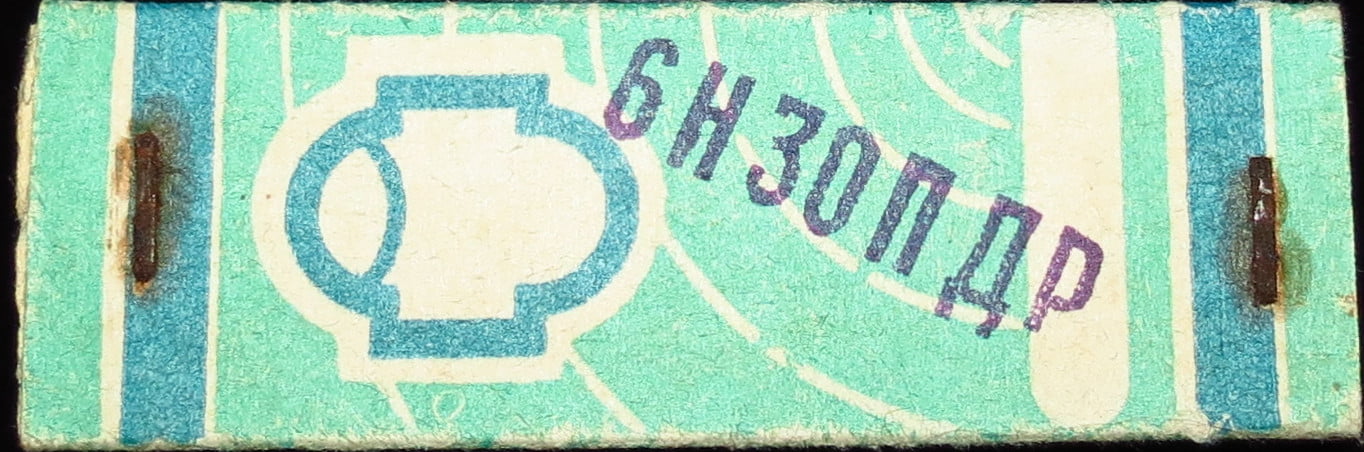
Deciphering different tube codes is hard even when they are in your own language. Deciphering Soviet tubes is even harder since the majority of information about them is in Russian.
Here is some information about common suffixes:
Continue readingHi there, I’ve now listened and analyzed countless 12au7’s (and it’s equivalents) and thought I’d give my opinion on my current favorites.
1st Place Tie: Mazda 6189 Silver Plates 3-Mica and 50’s Valvo Long Plate Angled Getter
These are somewhat similar to me in that they both have soaring/sparkling top-ends and beautiful midrange. Both have lots of detail. I think Mazda has better bass and is slightly more precise, forward and transparent. But Mazda is also more dry. Valvo is sexier and easier on the ears. To me, the Valvos are a bit light on the bass. Mazdas have maybe a larger soundstage, but Valvo is deeper and more intimate. Tie for first. If someone put a gun to my head, I’d choose the Valvos.
Continue reading
Often when I buy or receive old tubes, pins on the tubes are oxidized. Big issue with oxidation is that it prevents pins making good contact with the socket. Because of that in the worst case, tube would appear to be completely dead or it will make strange noises during playback. Fixing this issue is quite simple. Just pray pins with DeoxIt D5, wipe in with a cloth and the problem will be solved in the majority of cases. If that don’t help, sometimes using a small screwdriver and cleaning pins one at a time to remove junk off the metal. They spray with Deoxit again to ensure that what ever is left is dissolved.
Continue readingA lot of questions have been asked about when a tube is made, so here you go, a quick guide on how to decipher the date codes.
For the most European tubes made after 1955 date codes are located on the bottom of a sidewall of a tube (not always the case)
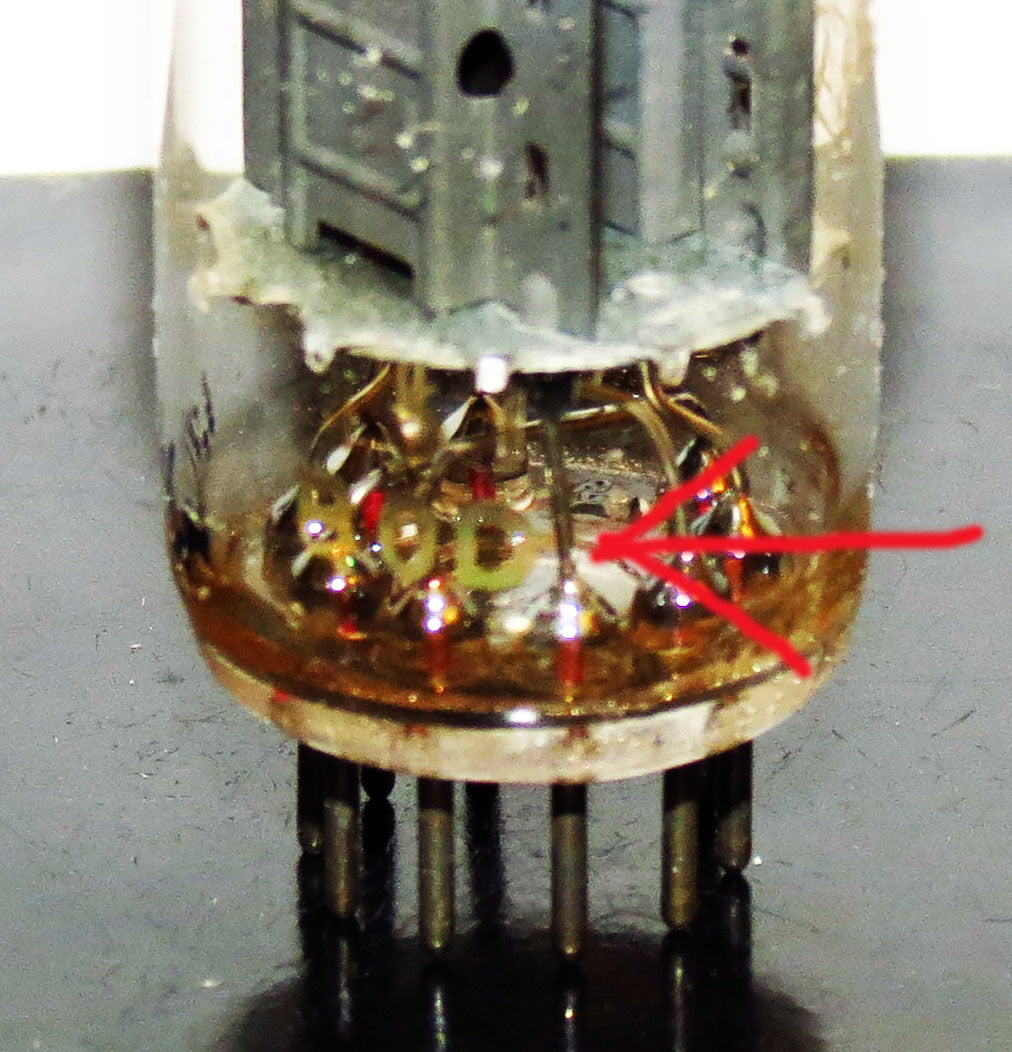
In this case, it’s B0D (this is for Mullard, Blackburn – 1960 – April)
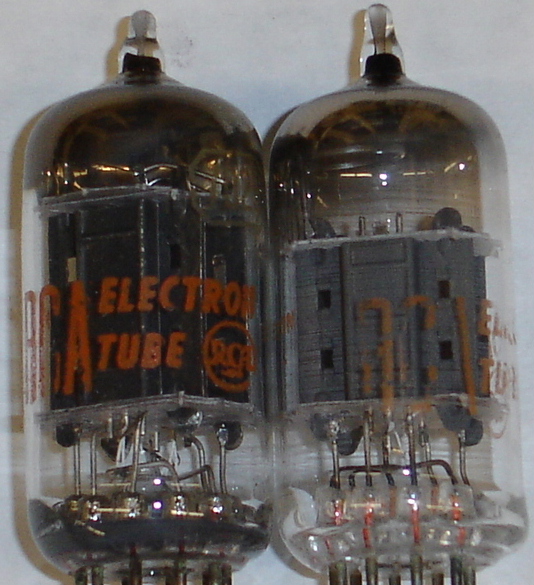
The debate regarding black versus gray plate vacuum tubes is a recurring topic in the audiophile community. While some skeptics argue that the preference for black plates is a marketing myth designed to justify higher price points, many enthusiasts maintain that they offer superior performance in high-fidelity systems. To understand the merits of each, one must look at the underlying physics of tube operation.
Continue reading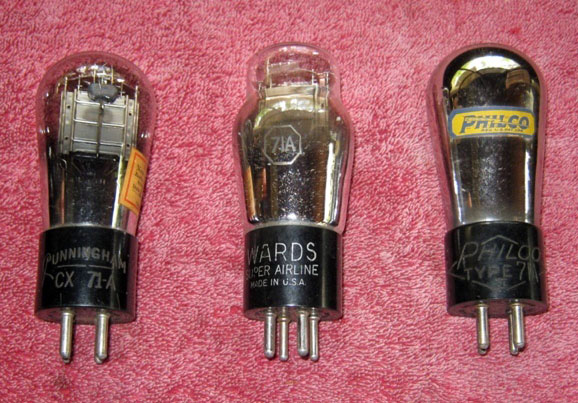
Fun article about Globe vs Shoulder type tubes with great tube pictures 🙂
And here we go again – tube matching, this time preamp tubes – the topic will never end, but I hope to bring some clarity to it