CBS-Hytron 5814A – Engineering Samples

CBS-Hytron 5814A – Engineering Samples

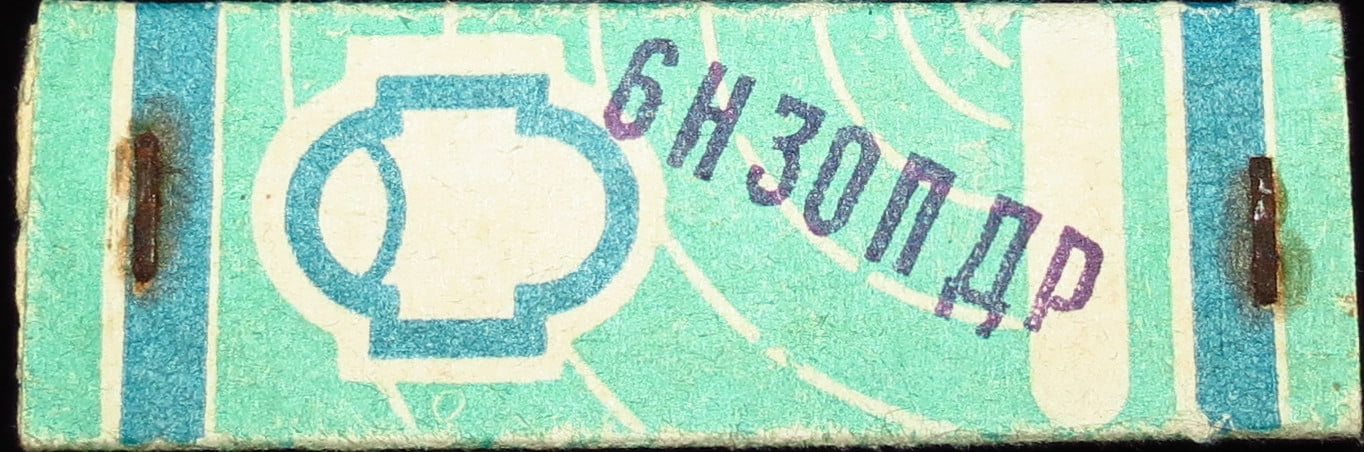
Once in a while, while going through a new shipment of tubes, I find some true treasures. This time it was an incredible find, the legendary CBS-Hytron 5814 tubes, but not just that, they were engineering samples from CBS-Hytron. Engineering samples were sent to various manufacturers to get acceptance and determine interest before starting mass production. Unfortunately, there is no date code on the box or the tubes, so it’s hard to say when it was produced exactly, but considering that 5814 tubes have been produced since October 1949, these are not far behind. Notice, that there is not 5814 label on the glass, just on the wrapper.

I’ve already written about these tubes and there are also posts about comparing them to other tubes from other contributors.

How to Read Brimar Tube Date Codes (Type Code Chart)

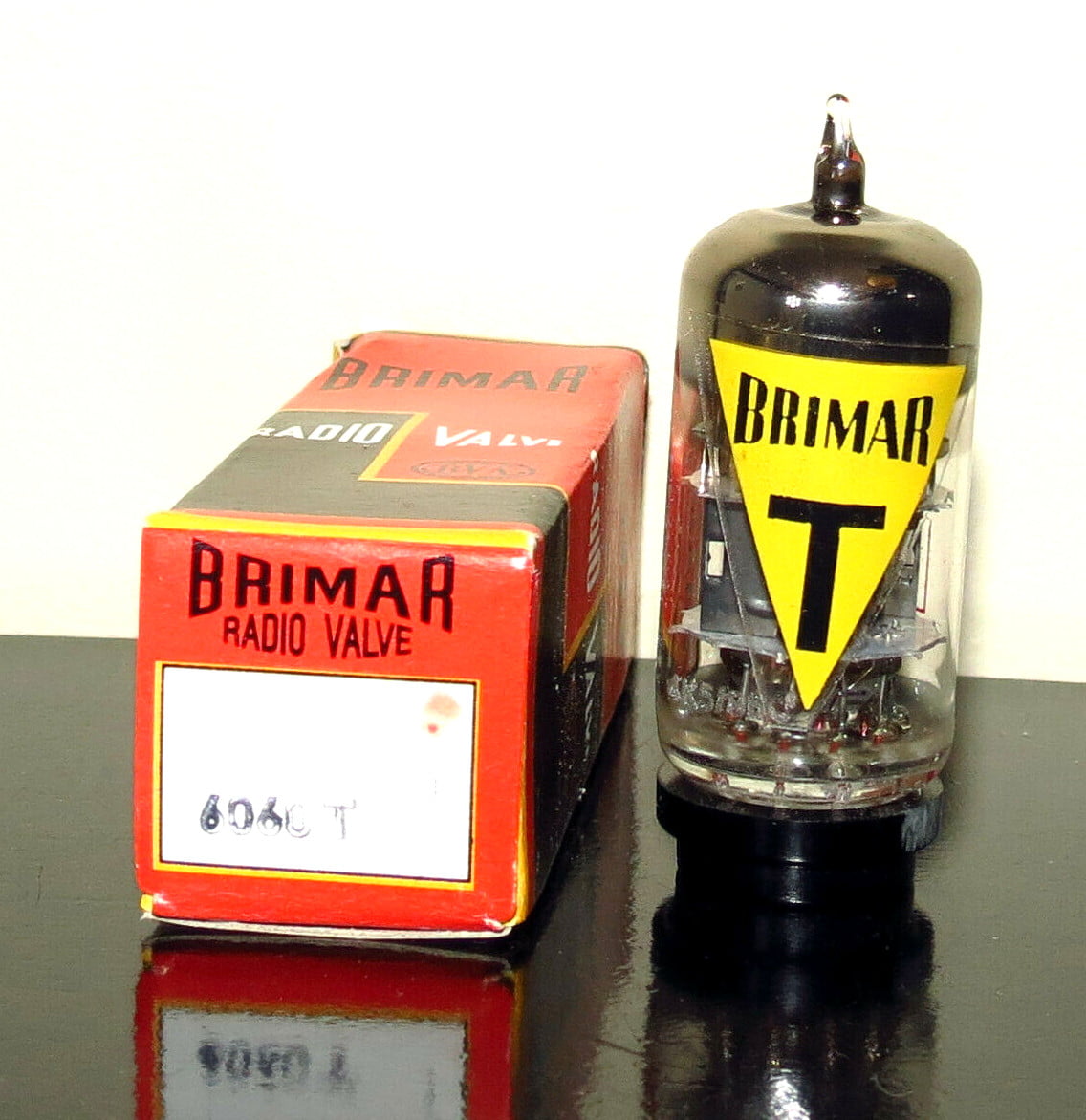
A Brimar tube with its original box. The date code is on the glass.

Brimar (BRItish Made American Range) was the tube brand of Standard Telephones and Cables Ltd (STC), the British company that grew out of Western Electric’s London operation, which dates back to 1883. ITT of the USA owned STC from 1925 until the mid-1980s.

Very little has been published on reading Brimar codes, but they are among the easiest to decipher once you know the pattern. A typical code looks like this:

4G9/980 = 4th week of July 1959, Brimar type code 980 (6060, a premium ECC81/12AT7)

Continue reading →

PS Audio BHK Signature 250 Stereo Power Amplifier

PS Audio BHK Signature 250 Stereo Power Amplifier

(9 votes, average: 4.56 out of 5)

The carton arrived on a Tuesday, and FedEx driver set it down with the particular sigh of someone who has just handled 83 pounds of American iron. Inside, nested in its own little coffin, was a small box of tubes. Two of them. Gold Lion 6922s, hand-matched, which PS Audio ships separately so that UPS can’t have its usual fun with them. I installed them through the top hatch, felt briefly like a mechanic in 1962, and switched the thing on.

Continue reading →

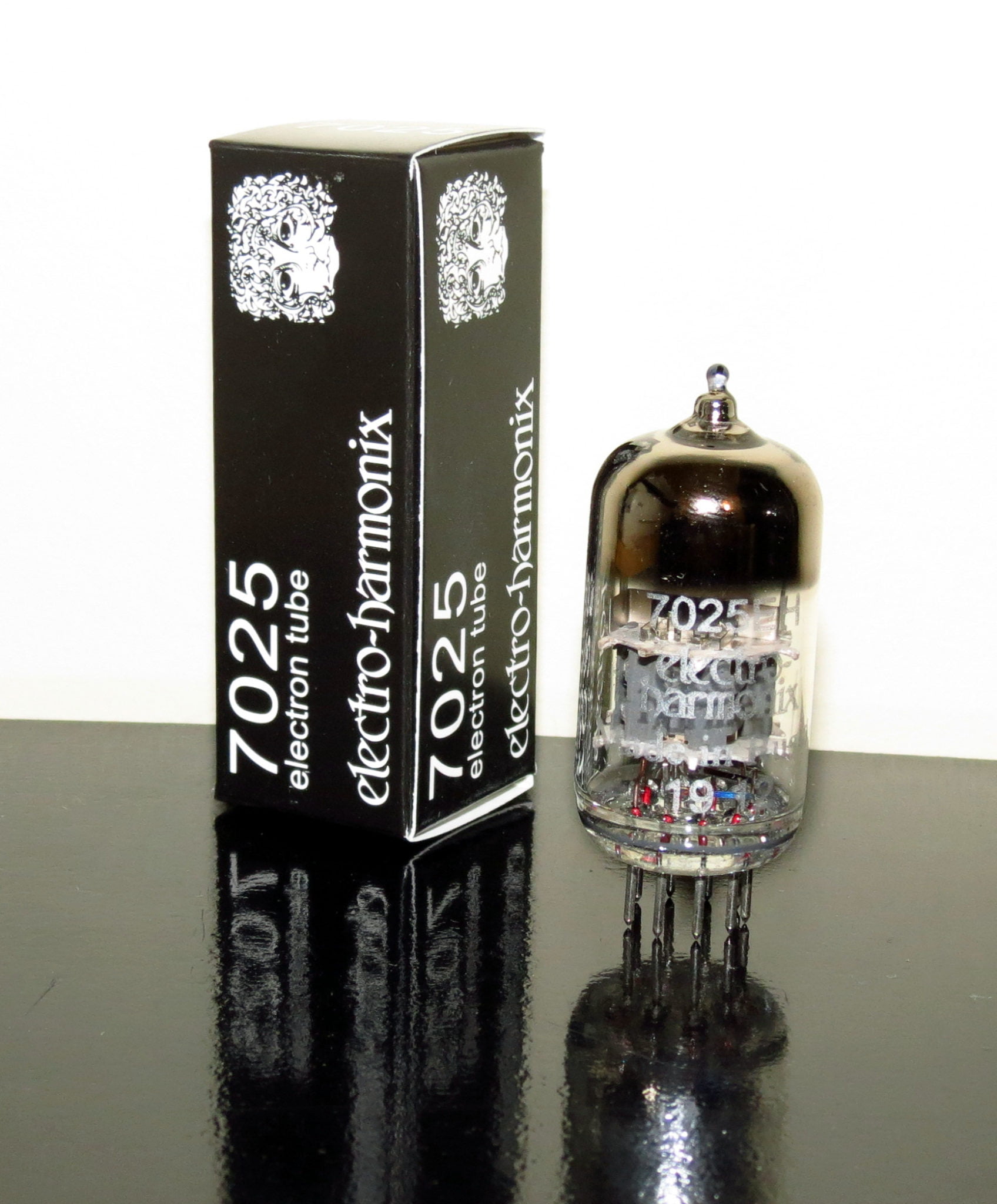
Electro-Harmonix 7025/12AX7

Electro-Harmonix 7025/12ax7 tube

(31 votes, average: 4.00 out of 5)

Sound:, my listening impression Clear, Spacious, Dynamic

The Electro-Harmonix 7025/12AX7 arrives with a completely new plate structure for this line, though it is clearly derived from their 6922 design and shares a striking resemblance to the legendary Frame Grid tubes from Telefunken and Tesla.

Continue reading →

Ayre V-3 Amplifier

Ayre V-3 Amplifier

(1 votes, average: 5.00 out of 5)

I hauled the Ayre V-3 up my stairs the way I’ve hauled up every amplifier I’ve ever loved: badly, with one hand under the front lip, muttering things my mother wouldn’t approve of. Fifty-five pounds doesn’t sound like much until it’s fifty-five pounds of Colorado machine-shop aluminum with no handles and a center of gravity somewhere near the back panel, where the transformer lives. By the time I set it on the amp stand I had already decided I was going to be objective about this thing. That lasted until the second side of side one.

Continue reading →

Velodyne HGS-12BG Subwoofer

Velodyne HGS-12BG Subwoofer

(16 votes, average: 4.75 out of 5)

Let me get the embarrassing part out of the way first: I was nineteen years late. The HGS-12 landed in 1998 (MSRP $1995), became one of those legendary pieces people speak about in the past tense and slightly lowered voices, and I didn’t get my hands on one until 2017 — which in audio terms is like finally hearing about the Beatles from a coworker. Fourteen inches on a side. Fifty-one pounds, which is exactly the right amount for a subwoofer to weigh; anything you can carry comfortably up a flight of stairs is not a subwoofer, it’s a bookshelf speaker with delusions. A cube so plain it looks like it was designed by an accountant who’d been told that fun was a taxable event. I set it down between the LPs and the record cleaning machine and thought: this is going to be a short review.

Continue reading →