2 thoughts on “Linkwitz Lab LX521 – Constant Directivity Monitor”
I don’t usually write about speakers; with so many on the market sounding remarkably similar, it takes something truly special to catch my ear. My current stable includes the Vienna Acoustics Beethoven driven by a PP tube amp, Omega Aperiodic on an SE tube amp, and B&W 803s for home theater. However, after visiting the 2013 Rocky Mountain Audio Fest and hearing the Linkwitz Lab LX521, I simply could not remain silent.
I was initially unaware that Linkwitz Lab produced full speaker systems, but given that Siegfried Linkwitz co-created the ubiquitous Linkwitz-Riley crossover, I had to investigate. While the LX521 features a very unconventional, “strange” aesthetic, any visual skepticism vanished the moment the music started. I have heard many high-end transducers, but I have never experienced what these can do. My ultimate test is simple: I close my eyes and try to visually and audibly recreate the presence of a live band in the room. These speakers came closer to that reality than anything else at the show.
The bass performance on a drum track was superb—tight, controlled, and so tactile I could practically feel the drum skin stretching under the impact of the sticks. The midrange was as open and natural as I have ever heard, offering a life-like transparency that is rare in any design. While the top end was nicely extended without necessarily “outdoing” the very best high-frequency specialists, it certainly didn’t fall short. The overall results are nothing less than spectacular.
I am so glad to see (hear) that you had a chance to listen to these loudspeakers: Frankly, I am surprised that there are not more comments on the LX521 from the 2013 RMAF, being that they **are** the finest transducers that “money can’t buy” (you need to build these guys yourself — they are available as a “KIT”). I have followed Siegfried to audio nirvana, starting with Pluto’s and ORION’s, but graduating finally to LX21. If one enjoys well recorded Classical/Jazz (or anything, really, that is well recorded) then these make well known $150K loudspeakers sound like “boat anchors”….
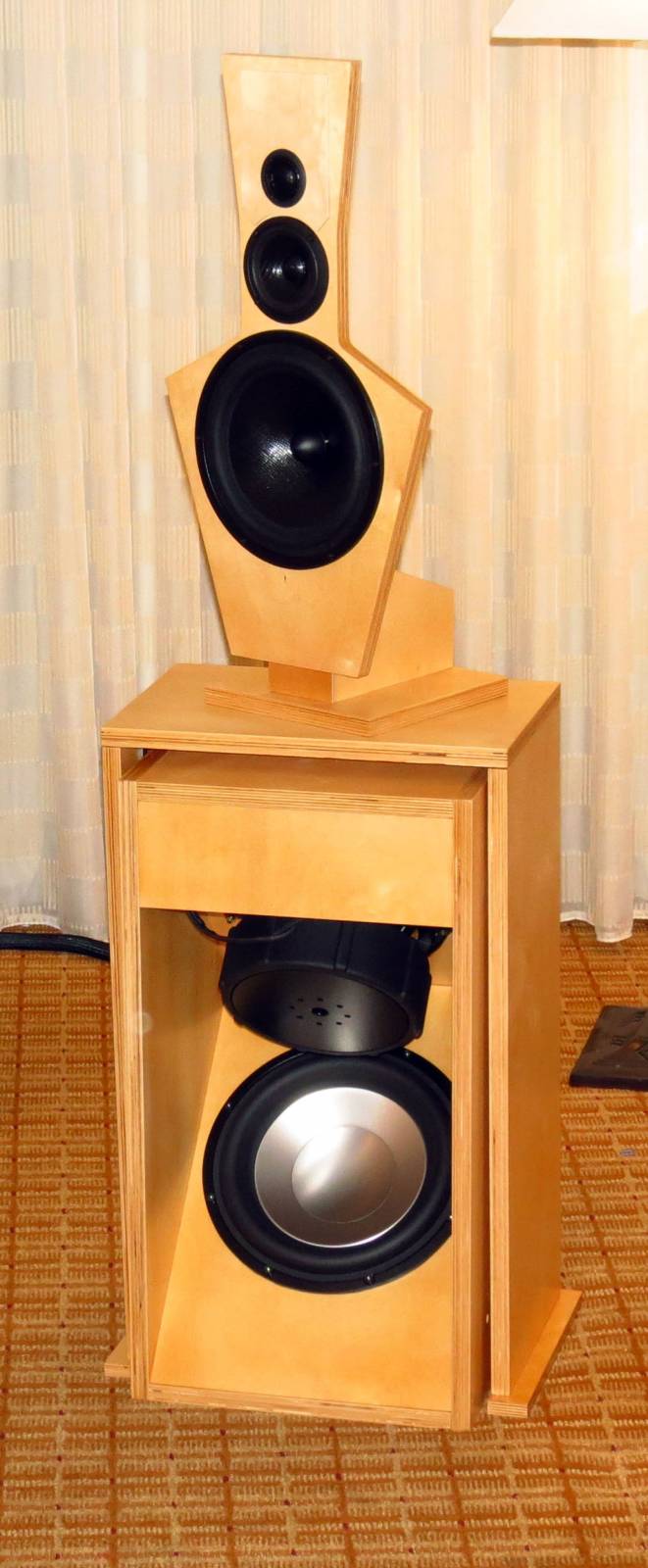
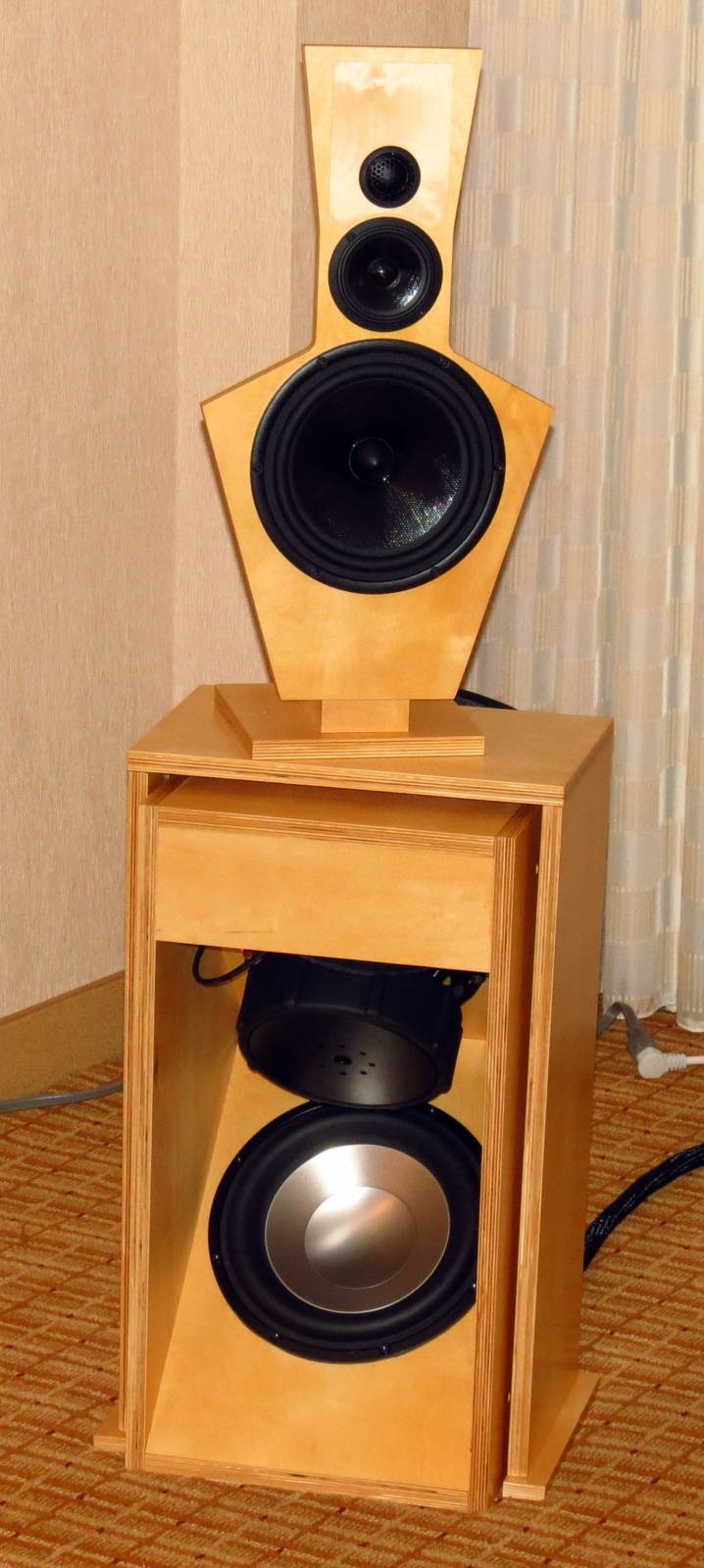

I don’t usually write about speakers; with so many on the market sounding remarkably similar, it takes something truly special to catch my ear. My current stable includes the Vienna Acoustics Beethoven driven by a PP tube amp, Omega Aperiodic on an SE tube amp, and B&W 803s for home theater. However, after visiting the 2013 Rocky Mountain Audio Fest and hearing the Linkwitz Lab LX521, I simply could not remain silent.
I was initially unaware that Linkwitz Lab produced full speaker systems, but given that Siegfried Linkwitz co-created the ubiquitous Linkwitz-Riley crossover, I had to investigate. While the LX521 features a very unconventional, “strange” aesthetic, any visual skepticism vanished the moment the music started. I have heard many high-end transducers, but I have never experienced what these can do. My ultimate test is simple: I close my eyes and try to visually and audibly recreate the presence of a live band in the room. These speakers came closer to that reality than anything else at the show.
The bass performance on a drum track was superb—tight, controlled, and so tactile I could practically feel the drum skin stretching under the impact of the sticks. The midrange was as open and natural as I have ever heard, offering a life-like transparency that is rare in any design. While the top end was nicely extended without necessarily “outdoing” the very best high-frequency specialists, it certainly didn’t fall short. The overall results are nothing less than spectacular.
I am so glad to see (hear) that you had a chance to listen to these loudspeakers: Frankly, I am surprised that there are not more comments on the LX521 from the 2013 RMAF, being that they **are** the finest transducers that “money can’t buy” (you need to build these guys yourself — they are available as a “KIT”). I have followed Siegfried to audio nirvana, starting with Pluto’s and ORION’s, but graduating finally to LX21. If one enjoys well recorded Classical/Jazz (or anything, really, that is well recorded) then these make well known $150K loudspeakers sound like “boat anchors”….