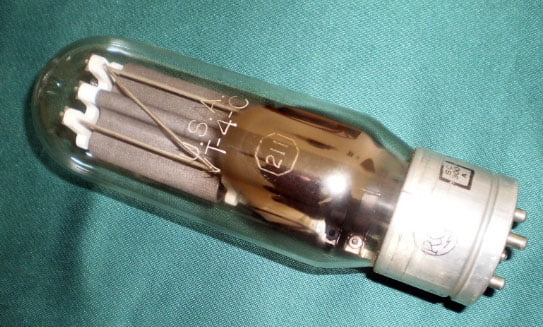
The RCA 211/VT-4-C is widely considered one of the “kings of the hill” in the world of triode power tubes. Renowned for its beautifully rich sonic signature, it provides a commanding presence with a deep, authoritative bass that anchors the soundstage. In some configurations, the midrange can lean toward the exceptionally warm side; while this adds a luxurious texture, it may make vocals sound almost too lush depending on the rest of your system’s synergy.
The primary hurdle for enthusiasts is the prohibitive cost. These tubes command premium prices on the secondary market and have become increasingly difficult to source. While production spanned from the 1940s through the 1970s, “new old stock” (NOS) units are rare finds. For those seeking a similar experience without the “ridiculous” price tag, the GE 211 is a stellar alternative. It offers a more delicate midrange and slightly leaner low-end. By pairing the GE tubes with a warmer preamp or driver stage, you can effectively recreate the RCA’s signature richness while saving a significant amount of money.
History and Uses of the 211 Tube
Originally developed in the 1920s, the 211 (often designated as the VT-4-C for military use) was built as a high-power transmitting triode. During World War II, these tubes were workhorses for heavy-duty radio transmitters and signal equipment, prized for their massive thoriated tungsten filaments and ability to handle high voltages.
In the modern era, the 211 has found its second life in high-end audiophile amplification. It is the heart of “Single-Ended Triode” (SET) amplifiers, where it is celebrated for its ability to deliver 15 to 25 watts of pure Class A power—enough to drive even moderately sensitive speakers with the clarity, scale, and “lit from within” glow that only large transmitting tubes can provide.
Final Verdict: The RCA 211 remains a top-tier choice for those who want the absolute pinnacle of rich, vintage warmth. However, given the current market rarity, the GE 211 represents the smarter buy for the value-conscious audiophile who is willing to do a little system tuning to reach that same level of sonic bliss.


 (5 votes, average: 4.40 out of 5)
 Loading...
The RCA 211/VT-4-C is widely considered one of the “kings of the hill” in the world of triode power tubes. Renowned for its beautifully rich sonic signature, it provides a commanding presence with a deep, authoritative bass that anchors the soundstage. In some configurations, the midrange can lean toward the exceptionally warm side; while this adds a luxurious texture, it may make vocals sound almost too lush depending on the rest of your system’s synergy.
The primary hurdle for enthusiasts is the prohibitive cost. These tubes command premium prices on the secondary market and have become increasingly difficult to source. While production spanned from the 1940s through the 1970s, “new old stock” (NOS) units are rare finds. For those seeking a similar experience without the “ridiculous” price tag, the GE 211 is a stellar alternative. It offers a more delicate midrange and slightly leaner low-end. By pairing the GE tubes with a warmer preamp or driver stage, you can effectively recreate the RCA’s signature richness while saving a significant amount of money.
History and Uses of the 211 Tube
Originally developed in the 1920s, the 211 (often designated as the VT-4-C for military use) was built as a high-power transmitting triode. During World War II, these tubes were workhorses for heavy-duty radio transmitters and signal equipment, prized for their massive thoriated tungsten filaments and ability to handle high voltages.
In the modern era, the 211 has found its second life in high-end audiophile amplification. It is the heart of “Single-Ended Triode” (SET) amplifiers, where it is celebrated for its ability to deliver 15 to 25 watts of pure Class A power—enough to drive even moderately sensitive speakers with the clarity, scale, and “lit from within” glow that only large transmitting tubes can provide.
Final Verdict: The RCA 211 remains a top-tier choice for those who want the absolute pinnacle of rich, vintage warmth. However, given the current market rarity, the GE 211 represents the smarter buy for the value-conscious audiophile who is willing to do a little system tuning to reach that same level of sonic bliss.