One thought on “Arcturus Type 80 Rectifier Blue Glass”
This is one good looking and good sounding rectifier. Very musical and transparent. They are impossible to find these days since very few of them have been produced. Arcturus was adding cobalt to their glass to make them look cool – there is not information about technical benefits of that approach, but look cool they do!
The Legacy of the “Blue Glass”
The most striking feature of Arcturus tubes was their vivid blue glass. This was not merely a coating; the glass itself was tinted by adding cobalt oxide to the melt during manufacturing. The Arcturus Radio Tube Company utilized its iconic blue glass primarily as a marketing strategy for roughly 7 to 8 years, spanning the late 1920s to the mid-1930s.
Marketing Strategy: Primarily, the blue glass was a brilliant marketing move. It made the tubes instantly recognizable on store shelves and in open-back radio cabinets, distinguishing them from the standard clear glass of competitors.
Technical Claims: Arcturus often claimed that the “A-Glass” provided superior shielding against stray electrons and better heat dissipation. While modern collectors appreciate the aesthetic, most technical historians agree these functional benefits were secondary to the visual branding.
The “Blue” Era: The company utilized blue glass for several years (1927-1935), though they eventually transitioned to clear glass for their ST-style and octal tubes as manufacturing costs and industry standards shifted.
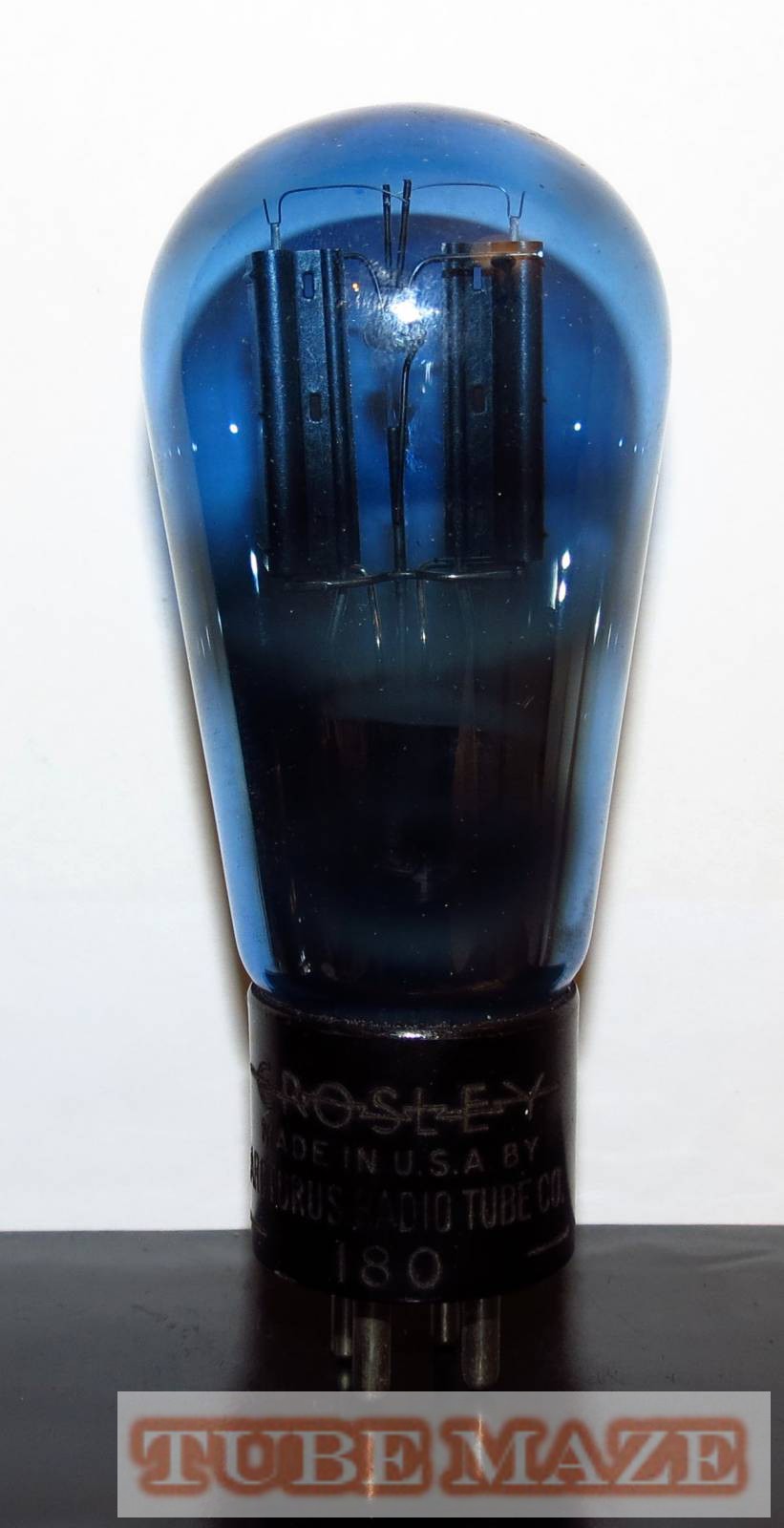

This is one good looking and good sounding rectifier. Very musical and transparent. They are impossible to find these days since very few of them have been produced. Arcturus was adding cobalt to their glass to make them look cool – there is not information about technical benefits of that approach, but look cool they do!
The Legacy of the “Blue Glass”
The most striking feature of Arcturus tubes was their vivid blue glass. This was not merely a coating; the glass itself was tinted by adding cobalt oxide to the melt during manufacturing. The Arcturus Radio Tube Company utilized its iconic blue glass primarily as a marketing strategy for roughly 7 to 8 years, spanning the late 1920s to the mid-1930s.
Marketing Strategy: Primarily, the blue glass was a brilliant marketing move. It made the tubes instantly recognizable on store shelves and in open-back radio cabinets, distinguishing them from the standard clear glass of competitors.
Technical Claims: Arcturus often claimed that the “A-Glass” provided superior shielding against stray electrons and better heat dissipation. While modern collectors appreciate the aesthetic, most technical historians agree these functional benefits were secondary to the visual branding.
The “Blue” Era: The company utilized blue glass for several years (1927-1935), though they eventually transitioned to clear glass for their ST-style and octal tubes as manufacturing costs and industry standards shifted.