The Reflector 6N6P Gold Grid is one of the best-kept secrets of the Soviet era. While it remains relatively obscure, its versatility across various applications is truly impressive. Most notably, it serves as a direct drop-in replacement for the 6N30P and its legendary “DR” variant. While it may not reach the absolute peak transparency of the 6N30P-DR, the performance gap is surprisingly narrow—especially considering this tube typically costs five times less.
What you get is a remarkably dynamic sound characterized by “kick-butt” bass, a very pleasing and relaxed midrange, and a sweet, fatigue-free top end. In gear like the Little Dot amplifier, the 6N6P makes the unit shine, offering a massive upgrade over the “absolutely horrific” stock Chinese tubes. It is a high-value overachiever that brings a touch of high-end authority to budget-conscious setups.
The Technical Purpose of Gold Grids
The 1980s Reflector 6N6P features a gold-plated grid, a hallmark of premium vacuum tube engineering. Gold was utilized not for luxury, but to combat grid emission. In high-performance tubes, the grid is positioned very close to the hot cathode; if the grid itself becomes too hot, it can begin to emit electrons, leading to thermal runaway or unstable bias.
By plating the grid in gold, manufacturers effectively suppressed this unwanted primary electron emission. Gold’s physical properties help the grid remain electrically stable even under high-heat conditions, ensuring the tube maintains consistent performance over a much longer service life. In audio terms, this stability translates to a lower noise floor and a more reliable, “locked-in” sonic image.
Final Verdict
The Reflector 6N6P Gold Grid is a giant-killer. It delivers 85-90% of the performance of the world’s most expensive 6N30P variants at a fraction of the price. With its robust bass and liquid mids, it is an essential “budget-exotic” tube for any serious enthusiast.
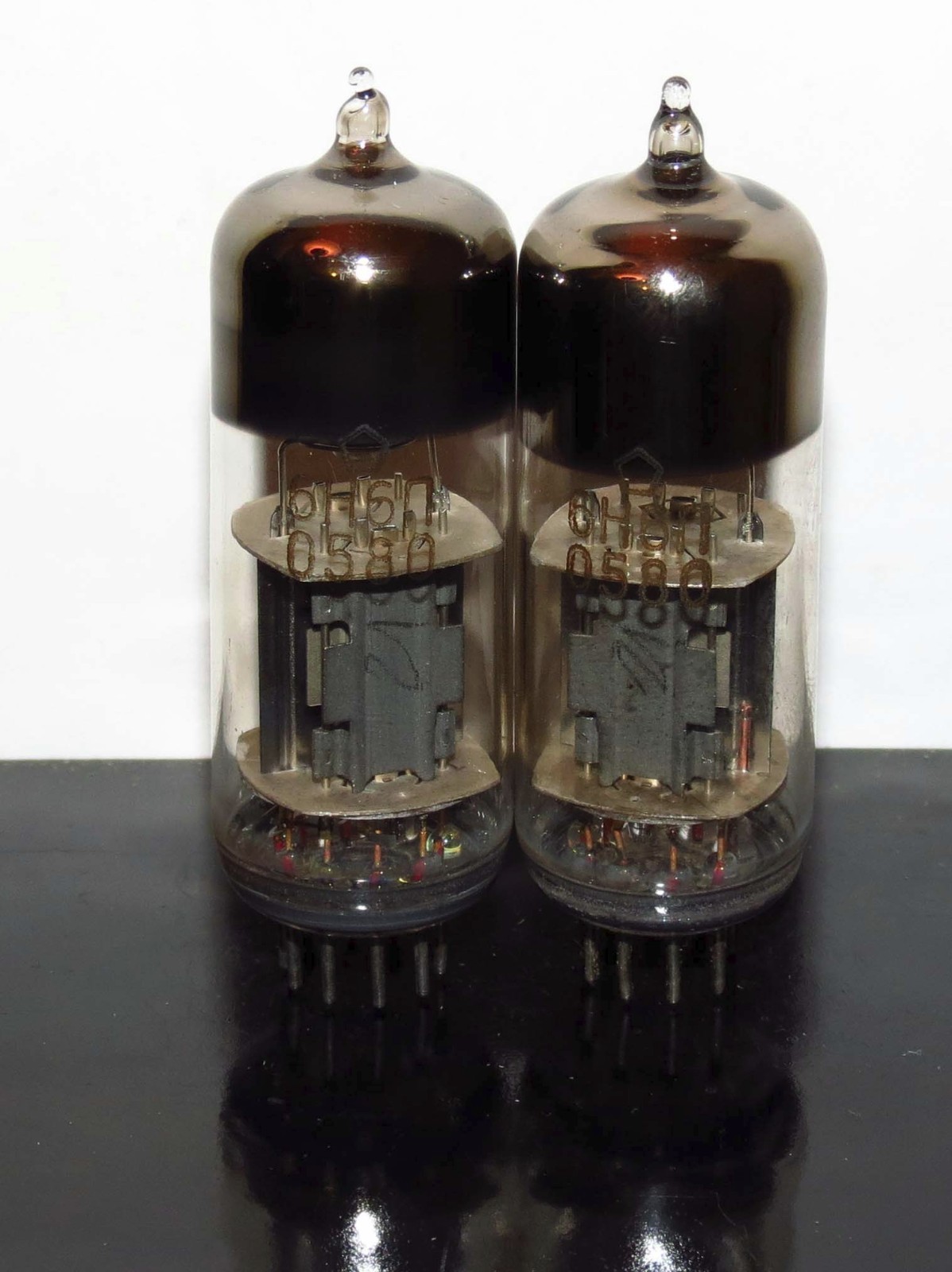

The Reflector 6N6P Gold Grid is one of the best-kept secrets of the Soviet era. While it remains relatively obscure, its versatility across various applications is truly impressive. Most notably, it serves as a direct drop-in replacement for the 6N30P and its legendary “DR” variant. While it may not reach the absolute peak transparency of the 6N30P-DR, the performance gap is surprisingly narrow—especially considering this tube typically costs five times less.
What you get is a remarkably dynamic sound characterized by “kick-butt” bass, a very pleasing and relaxed midrange, and a sweet, fatigue-free top end. In gear like the Little Dot amplifier, the 6N6P makes the unit shine, offering a massive upgrade over the “absolutely horrific” stock Chinese tubes. It is a high-value overachiever that brings a touch of high-end authority to budget-conscious setups.
The Technical Purpose of Gold Grids
The 1980s Reflector 6N6P features a gold-plated grid, a hallmark of premium vacuum tube engineering. Gold was utilized not for luxury, but to combat grid emission. In high-performance tubes, the grid is positioned very close to the hot cathode; if the grid itself becomes too hot, it can begin to emit electrons, leading to thermal runaway or unstable bias.
By plating the grid in gold, manufacturers effectively suppressed this unwanted primary electron emission. Gold’s physical properties help the grid remain electrically stable even under high-heat conditions, ensuring the tube maintains consistent performance over a much longer service life. In audio terms, this stability translates to a lower noise floor and a more reliable, “locked-in” sonic image.
Final Verdict
The Reflector 6N6P Gold Grid is a giant-killer. It delivers 85-90% of the performance of the world’s most expensive 6N30P variants at a fraction of the price. With its robust bass and liquid mids, it is an essential “budget-exotic” tube for any serious enthusiast.