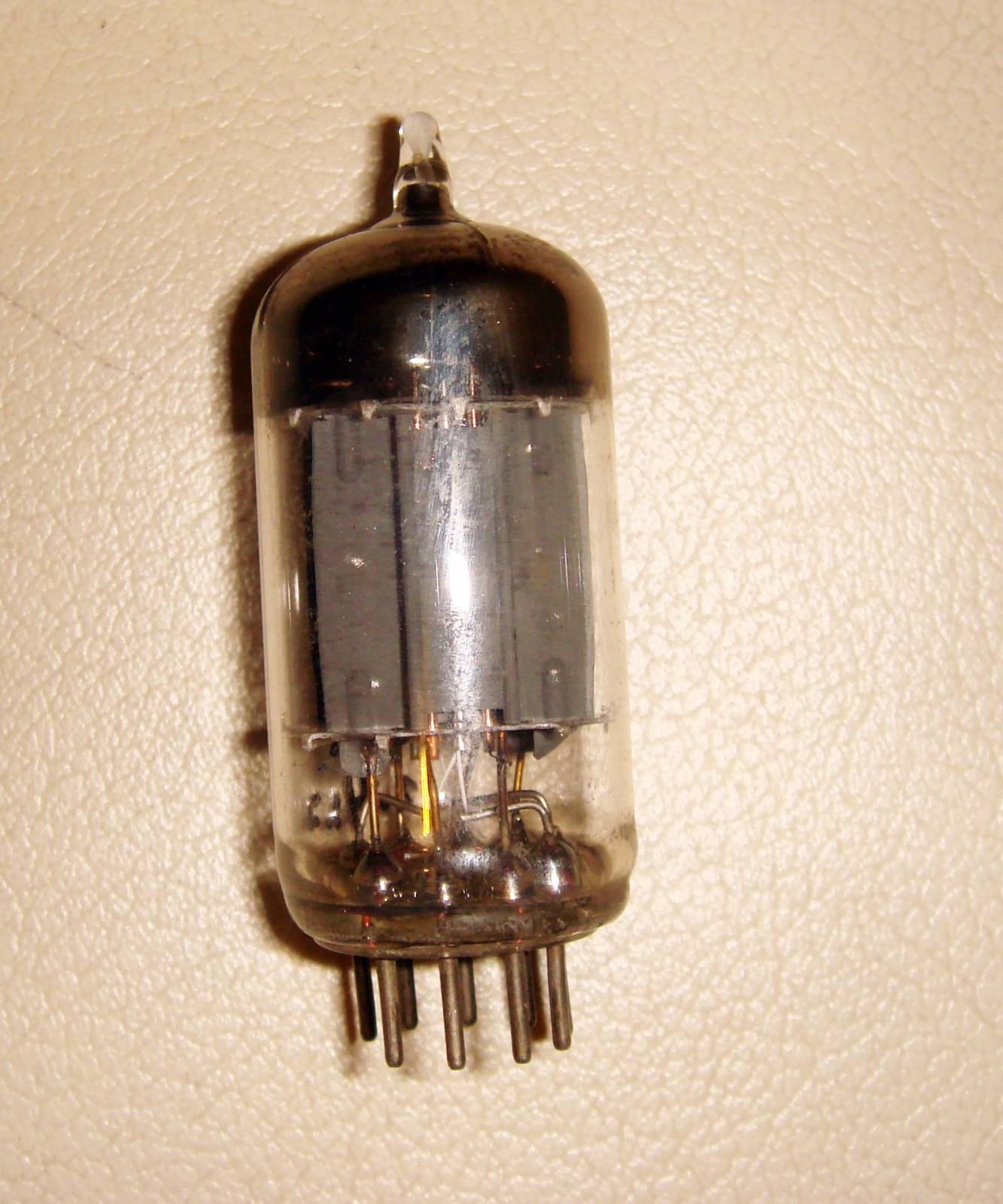
This 1956 Philips 12AU7 is a fascinating piece of history, though it may not be for everyone. Featuring a D-getter and the rare Delta K6A date code, its most striking physical characteristic is the welded plates, which are incredibly unusual for this era.
In terms of performance, this tube offers a unique, vintage profile. The sound is exceptionally soft and warm, characterized by a noticable roll-off in the high frequencies. While this lack of extension beyond 15kHz might have been standard for speakers of that decade, modern listeners might find the presentation a bit slow and lacking in transparency.
While I am generally a huge fan of later Philips productions, this particular version feels a bit too recessed for my personal taste. It is an interesting choice for those looking to “tame” a bright system, but it lacks the clarity found in its successors.
Final Verdict: An unusual and rare find with a lush, ultra-soft character, but ultimately too veiled for those seeking high-fidelity detail.



 (9 votes, average: 3.78 out of 5)
 Loading...
This 1956 Philips 12AU7 is a fascinating piece of history, though it may not be for everyone. Featuring a D-getter and the rare Delta K6A date code, its most striking physical characteristic is the welded plates, which are incredibly unusual for this era.
In terms of performance, this tube offers a unique, vintage profile. The sound is exceptionally soft and warm, characterized by a noticable roll-off in the high frequencies. While this lack of extension beyond 15kHz might have been standard for speakers of that decade, modern listeners might find the presentation a bit slow and lacking in transparency.
While I am generally a huge fan of later Philips productions, this particular version feels a bit too recessed for my personal taste. It is an interesting choice for those looking to “tame” a bright system, but it lacks the clarity found in its successors.
Final Verdict: An unusual and rare find with a lush, ultra-soft character, but ultimately too veiled for those seeking high-fidelity detail.
This tube is older than 1956. The k6 stands for the type (ecc82), the ‘A’ for the batch (produced between 1951 and 1953).
See this document to decode these early codes: https://frank.pocnet.net/other/Philips/PhilipsCodeListAB.pdf