
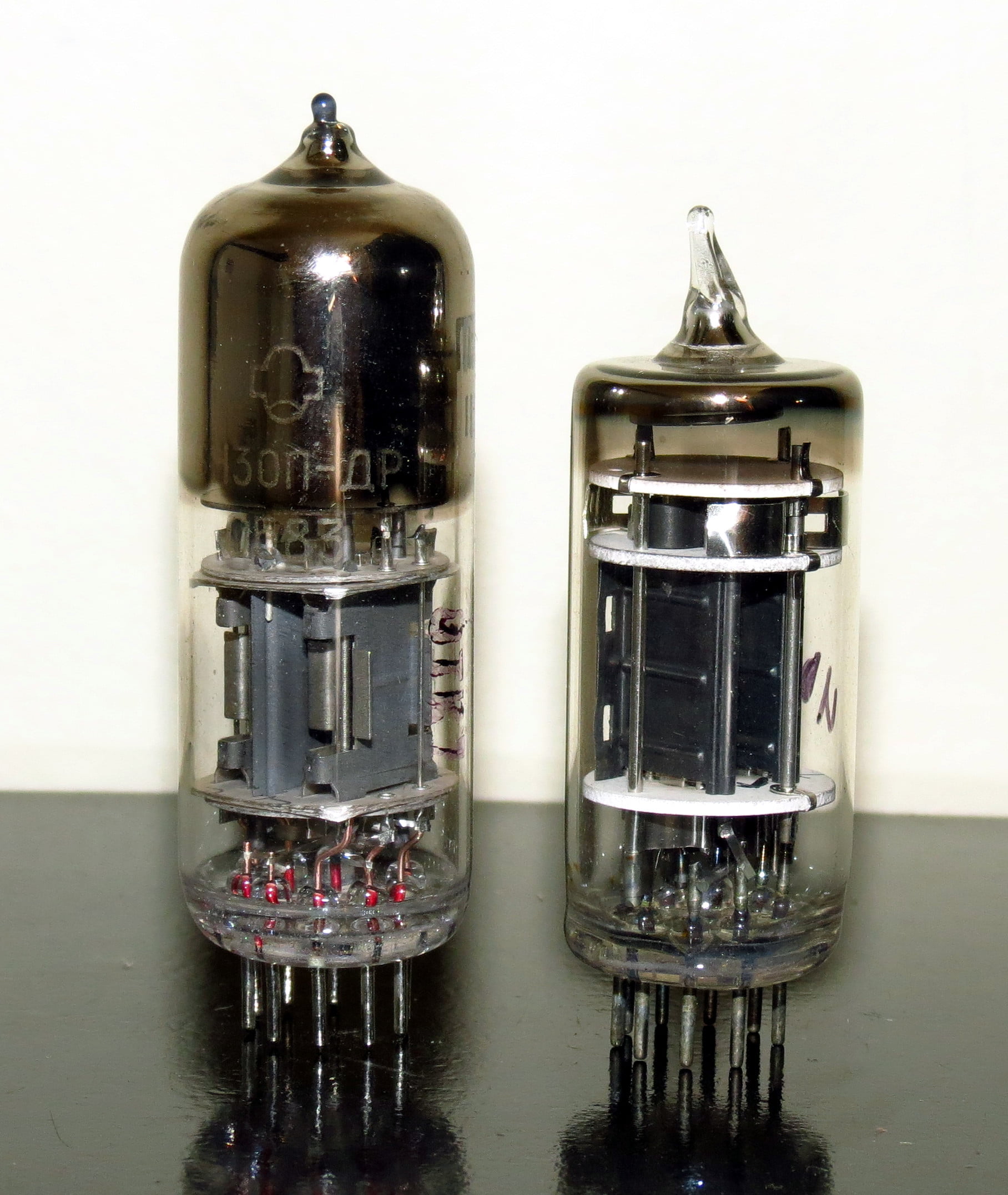
The following analysis evaluates the sonic performance of two of the most esteemed vacuum tubes in the audiophile community: the Bendix 6900 and the Reflector 6N30P-DR. While both components are often cited among the finest audio tubes ever manufactured, a direct comparison reveals nuanced differences tailored to specific listening prefer
Performance Overview
The evaluation proved more complex than anticipated, as both tubes exhibit exceptional and remarkably similar sound signatures. Consequently, a definitive “superior” tube was not identified; rather, the optimal choice depends largely on the genre of music being reproduced.
Key Sonic Characteristics
- Bendix 6900: Power and Impact The 6900 distinguishes itself with a robust and profound low-end response. This was particularly evident in tracks such as Michel Jonasz’s Le lac gele, where the tube provided a visceral depth that excelled in rock and electronic genres. However, this emphasis on bass presence slightly reduces the delicate presentation found in its counterpart.
- Reflector 6N30P-DR: Realism and Nuance While the 6N30P-DR maintains a capable low-end, it prioritizes transparency and atmospheric detail. It is exceptionally well-suited for jazz; for instance, in Houston Person’s Just Blues, the tube creates a lifelike sense of “air” and presence, making the performance feel immediate and intimate.
Conclusion
Both the Bendix 6900 and the Reflector 6N30P-DR represent the pinnacle of vacuum tube engineering. Although they require a significant financial investment, the integration of either component will result in a substantial improvement in system fidelity. The 6900 is recommended for listeners seeking dynamic impact, while the 6N30P-DR is the preferred choice for those valuing instrumental realism and refinement.
Now I just need to mortgage my house to be able to afford these 🙂