
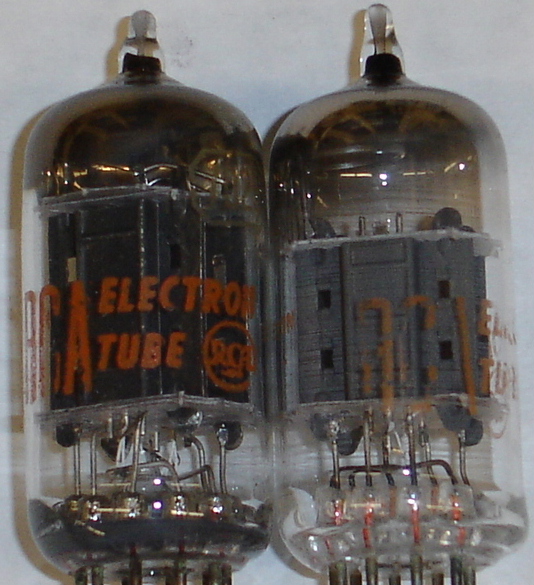
The debate regarding black versus gray plate vacuum tubes is a recurring topic in the audiophile community. While some skeptics argue that the preference for black plates is a marketing myth designed to justify higher price points, many enthusiasts maintain that they offer superior performance in high-fidelity systems. To understand the merits of each, one must look at the underlying physics of tube operation.
Thermal Dissipation and Efficiency
The “superiority” of black plates is not a matter of aesthetics or “magic,” but rather a matter of thermal management. During operation, electrons are emitted from the cathode and travel at high velocities toward the anode (the plate). Upon impact, their kinetic energy is converted into heat. Combined with a cathode that typically operates between 800°F and 1000°F, the internal temperature of a vacuum tube is substantial.
Black materials are naturally more efficient at radiating heat. By dissipating thermal energy more effectively than lighter-colored materials, black plates maintain a lower operating temperature. This is critical because an overheated anode can lead to several performance issues:
- Outgassing: Excessive heat can cause the metal of the anode to release trapped gases, which contaminates the vacuum and degrades the tube’s lifespan.
- Grid Emission: Excessive heat can transfer to the control grid, causing it to emit electrons. This results in increased noise floor and “cathode stripping,” which further destabilizes the tube’s performance.
Carbonization and Secondary Emissions
The advantages of black plates extend beyond simple heat radiation. While some tubes (such as Sylvania or Raytheon) utilize smooth black plates, others—like those from RCA, Ken-Rad, and Westinghouse—utilize carbonized black plates.
Carbonization creates a microscopically rough surface on the nickel plate. This texture is highly effective at reducing secondary emissions—a phenomenon where electrons “bounce” off the plate and create an unwanted electric field, leading to signal distortion. The carbonized surface recaptures these electrons, resulting in a cleaner signal and improved transparency.
Alternative Engineering Solutions
It is important to note that black plates are not the only solution to these engineering challenges. Many high-quality gray plate tubes utilize alternative methods to manage heat and emissions:
- Grid Enhancements: Tubes such as the 6P45P and 6P14P-EV use grids plated with gold or platinum to minimize emissions. Other designs incorporate cooling fins on the grid rods to lower temperatures.
- Specialized Materials: Power tubes like the 7236 and 6080 may utilize graphite plates, zirconium coatings, or carbonized surfaces to enhance dynamics and clarity.
- Anode Structure: Woven wire mesh plates are often used to increase the surface area for better cooling.
Practical Recommendations
While black plates offer measurable technical benefits, overall tube quality is determined by the total engineering of the component. To ensure the best performance from any tube:
- Ventilation: Avoid using tube shields whenever possible, as they reflect heat back into the glass envelope and increase anode temperature.
- Component Placement: Be mindful of proximity to transformers. Reflective chrome surfaces on nearby transformers can reflect heat back into the tubes; matte black finishes are preferred for better thermal management.
From my experience, black plate tubes usually sound more open and detailed with a huge soundstage. Grey ones usually have deeper bass response with a warmer presentation.