
 (4 votes, average: 5.00 out of 5)
 Loading...
No reviews necessary for this amp. 🙂 But just in case…
“Carefully set up and matched with other components, the McIntosh MC275 is a very good, very well-balanced amp that goes higher, lower, louder, and softer, with more texture and detail, than you might expect from a “modified classic”—or, for that matter, from any tube amp costing less than $5000. It certainly did more of all that than I was expecting. By any standard, it made listening to all kinds of music a pleasure. I could happily live with it. “ Read
When I first integrated the McIntosh MC275 IV into my system, I was underwhelmed. For such a significant investment, it sounded surprisingly average, leaving me worried I’d made a costly error. However, as this was my first foray into tube amplification, I quickly discovered the transformative power of tube rolling. Post-rolling, this has become my absolute favorite amplifier.
A technical nuance worth noting is the role of V1. It serves as a partial phase inverter, converting unbalanced signals to balanced. If you use unbalanced inputs, V1 is critical to your sound stage. If you run balanced inputs, it becomes sonically irrelevant, though it must remain seated to complete the heater chain. In my experience, V1, V2, and V5 are the primary drivers of sound quality; the remaining tubes offer only marginal improvements.
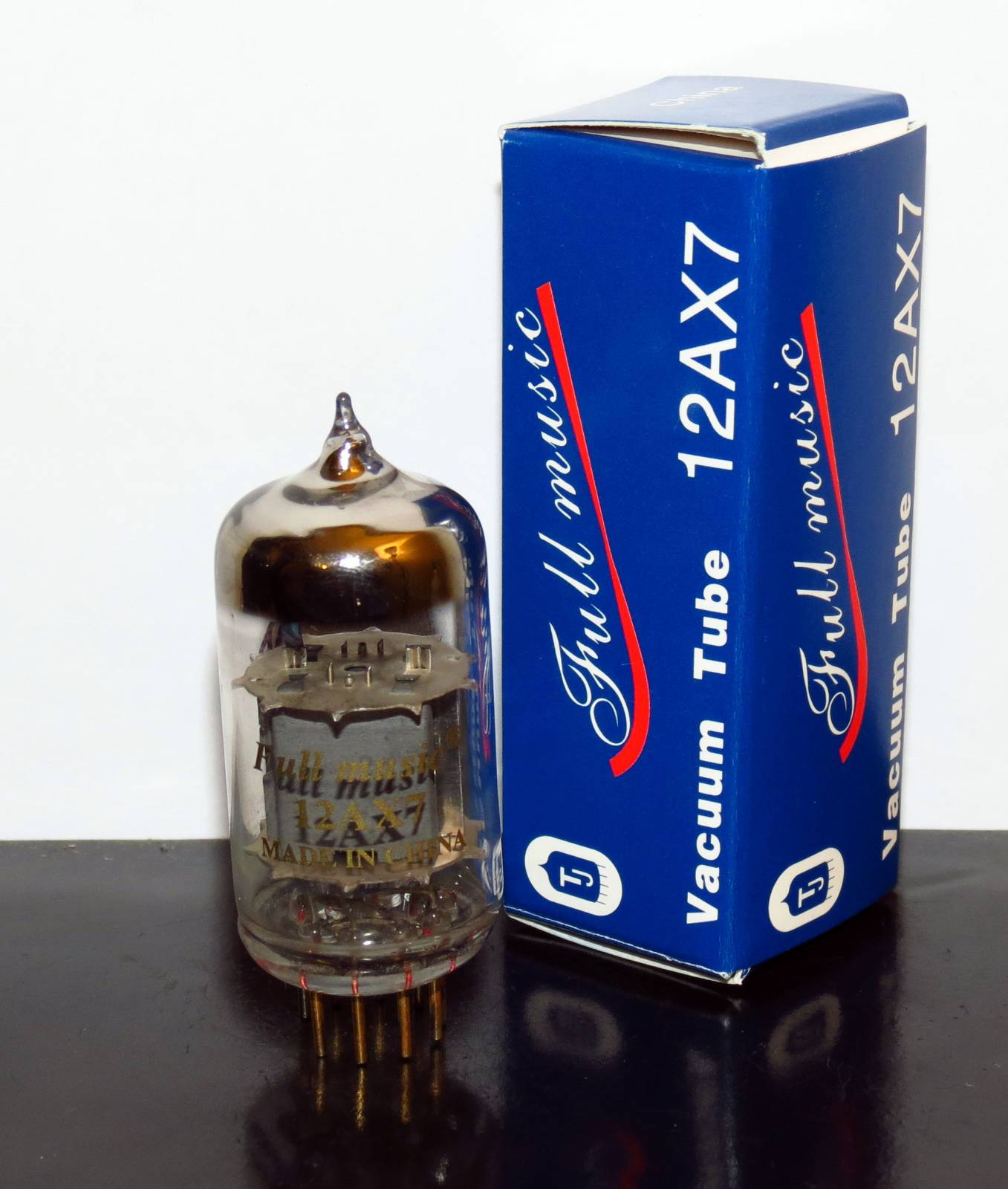
The original McIntosh tubes lack the necessary warmth and detail and should be the first things you replace. Similarly, EH 12AX7 and 12AT7 options didn’t offer much of an upgrade over stock. For those seeking high-end detail, the Telefunken 12AX7 (long, smooth plate) is a surgical tool—it adds incredible clarity, but using too many can make the amp sound “crisp and lifeless.” I found the best balance by using a single Telefunken in V1 and tempering that sharpness with Sylvania 12AX7 black plates, which reintroduced a much-needed organic warmth.
If you can’t find Sylvanias, the RCA 5751 is a fantastic alternative—nearly as good as the Telefunken and highly recommended if you can source them. While I also swapped in Telefunken 12AT7s, the change there was subtle compared to the dramatic shift provided by the 12AX7 positions.
Final Verdict: The MC275 IV is a sleeping giant that requires specific tube rolling to wake up. By utilizing a Telefunken 12AX7 in V1 and Sylvania 12AX7s in V2 and V5, you can achieve a massive sound stage characterized by perfect warmth and exquisite detail.